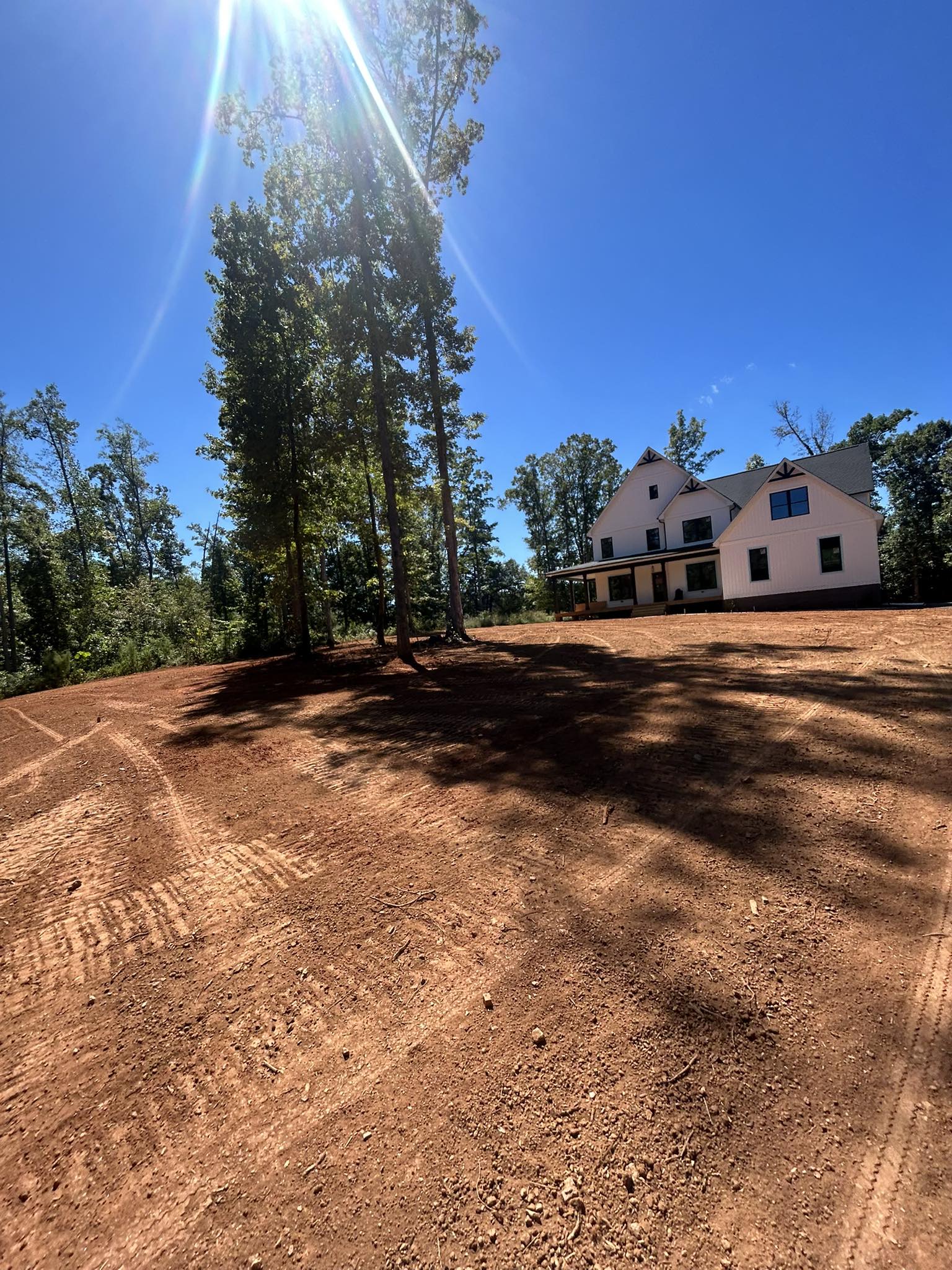
Maximizing Efficiency: Cutting-Edge Techniques in Land Grading and Clearing Jun 10, 2026
Efficiency in land grading and clearing begins with proper planning. Before any machinery touches the soil, a thorough site evaluation should be conducted. This initial step involves assessing the topography, soil composition, and any existing vegetation. By conducting a comprehensive survey, C.M. Grading can develop a tailored plan that identifies the most effective techniques and machinery required for the job. Such planning not only saves time and resources but also ensures that the work complies with environmental regulations, preventing costly setbacks.
One of the most innovative techniques in land grading today is the use of laser grading technology. This precision-driven approach allows for the accurate leveling of land by using lasers to guide machinery. The laser signals help ensure that the land is leveled to exact specifications, reducing the need for rework and ensuring optimal drainage. Laser grading is particularly beneficial for projects such as sports fields, where uniformity is crucial, and for agricultural land, where water management can significantly impact crop yield.
Apart from laser technology, GPS-guided machinery plays a pivotal role in modern land clearing and grading. By integrating GPS systems into grading equipment, operators can rely on real-time data to guide their efforts, achieving exact land contour specifications. This technology not only expedites the grading process but also minimizes material waste by preventing over-excavation and ensuring that material is moved precisely where it's needed.
Consideration for the environment is paramount in today’s construction practices. Hence, sustainable land clearing techniques are becoming more prevalent. At C.M. Grading, sustainable practices include selective clearing and the use of forestry mulchers. Selective clearing allows for the removal of only non-essential trees and vegetation, preserving valuable ecosystems. Forestry mulching, on the other hand, turns unwanted vegetation into nutrient-rich mulch on-site, reducing the need for disposal and providing immediate aeration and moisture retention benefits to the soil.
Erosion control is another critical aspect of efficient land grading. Implementing silt fences, hay bales, or erosion control blankets ensures that soil integrity is maintained throughout the grading process. These measures prevent sediment from running off into waterways, thus protecting local ecosystems and adhering to environmental standards.
Finally, communication remains an essential component of an efficient land grading and clearing strategy. Open lines of dialogue between C.M. Grading experts and clients ensure that all project expectations are aligned. Regular updates and consultations help address any concerns swiftly and maintain progress according to the timeline.
By leveraging these cutting-edge techniques and prioritizing effective communication and environmental stewardship, C.M. Grading sets the standard in maximizing efficiency for any land grading and clearing project. These innovative approaches not only improve project outcomes but also deliver cost-effective, sustainable solutions for clients. Whether your project is large or small, utilizing modern techniques will ensure successful, timely completion while preserving the natural beauty of your land.
/filters:no_upscale()/filters:format(webp)/media/30e9be68-6d71-49e4-ad0f-8cf62041efad.jpeg)