The Environmental Advantages of Professional Land Clearing Jun 12, 2026
The initial impression of clearing dense vegetation might hint at ecological disruption. However, a professional approach aims to restore balance and create a healthier environment. First and foremost, by removing overgrown vegetation and invasive species, land clearing facilitates the growth of native plant species. Many times, invasive plants choke out indigenous growth, reducing biodiversity and compromising the health of the local ecosystem. With expert land clearing services, the approach is to eliminate these species selectively, allowing native flora to flourish once again.
In addition, controlled land clearing helps to mitigate the risk of wildfires, a concern that is especially pressing given global climate changes. Overgrown areas with uncontrolled brush and dead trees are a tinderbox waiting to ignite. Through systematic clearing, C.M. Grading reduces this risk by removing such excess vegetation, thereby protecting nearby habitats and communities from potential devastation. In many ways, professional land clearing acts as a preventative measure, akin to a well-maintained firebreak.
Moreover, well-planned land clearing can enhance soil health by facilitating better water absorption and reducing erosion. Surplus vegetation can lead to soil compaction, hindering water infiltration and causing stormwater runoff. Properly cleared land improves land contouring, promoting effective drainage and reducing soil displacement. C.M. Grading emphasizes precision grading techniques that help maintain soil nutrients, leading to fertile grounds for healthy plant growth in the future.
Furthermore, professional land clearing aids in reducing the presence of pests that thrive in unmanaged, dense vegetation. Such environments can harbor insects and rodents known to damage crops and trees as well as pose health risks to humans and animals. By responsibly clearing overgrowth, these habitats are reduced, decreasing pest populations naturally without the need for chemical pesticides.
Another significant environmental benefit is the potential for enhancing carbon sequestration. By creating spaces for the growth of new trees and plants, land clearing can encourage fresh plant life to absorb CO2 more effectively than older, stagnant vegetation. New, healthy plants are more efficient in photosynthesis, contributing to a decrease in local and global carbon footprint.
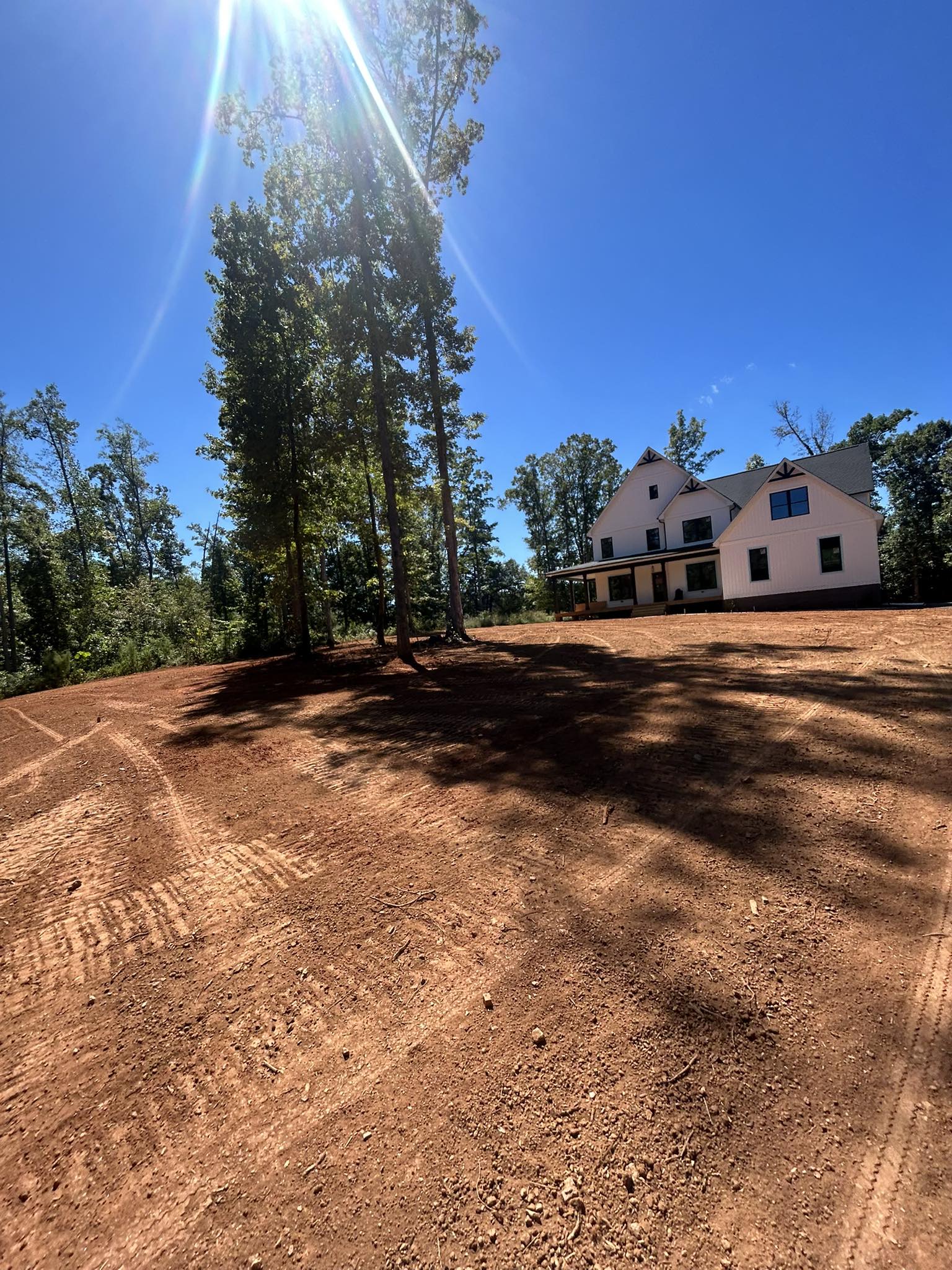
In conclusion, while the practice of land clearing often comes under scrutiny, partnering with experts like C.M. Grading ensures that the environmental upside is maximized. Our approach to land clearing prioritizes sustainable practices that not only prepare land for projects but also safeguard and improve the environment. Through encouraging native plant growth, reducing wildfire risks, improving soil condition, controlling pests, and enhancing carbon absorption, professional land clearing serves as a vital tool in ecological management.
For C.M. Grading, the mission is to combine functionality with ecological responsibility. By choosing professional services, you are investing in the long-term health of your land and the environment, turning what could be a simple preparatory step into a proactive environmental strategy.
/filters:no_upscale()/filters:format(webp)/media/30e9be68-6d71-49e4-ad0f-8cf62041efad.jpeg)